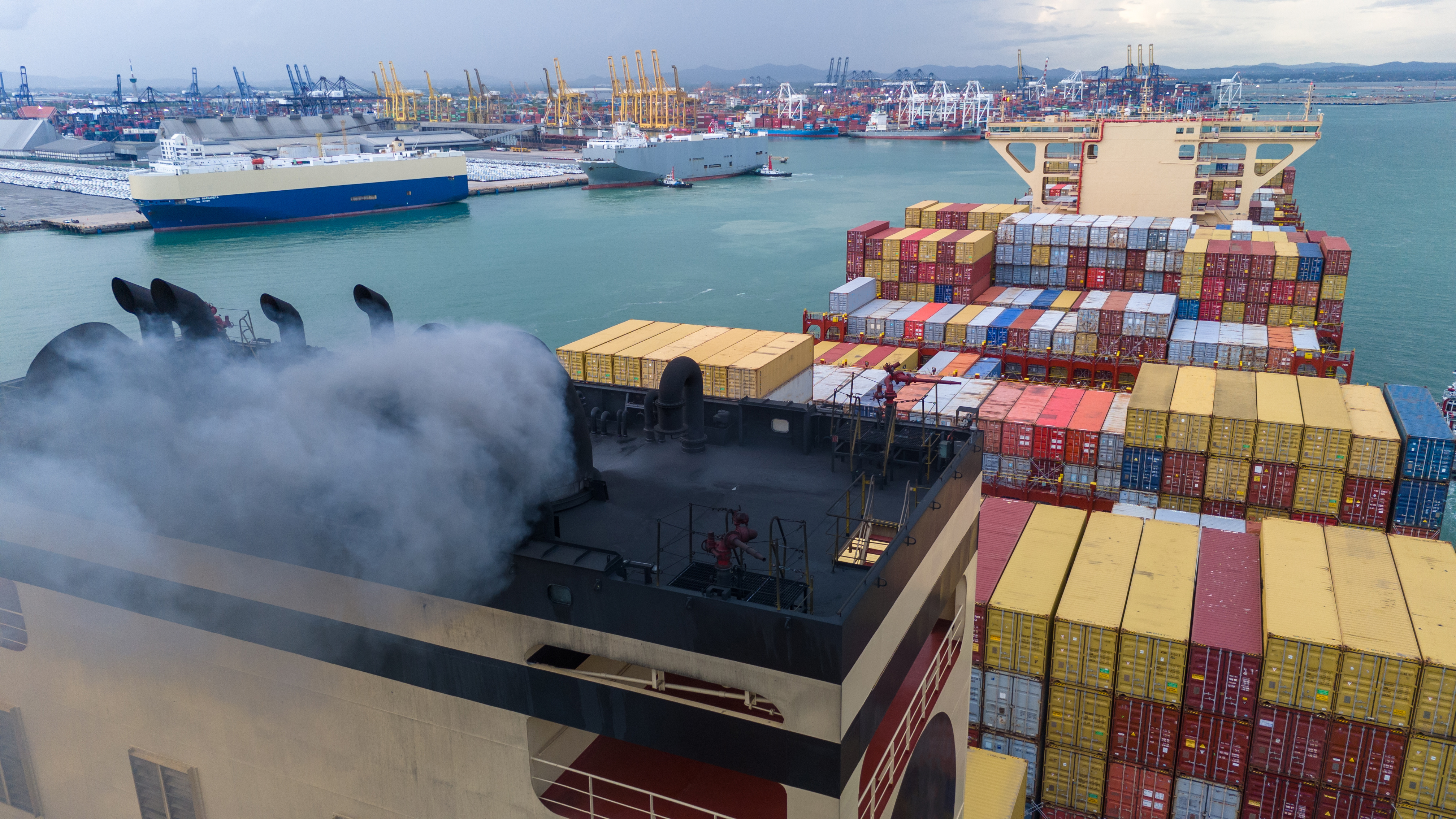
The ongoing situation in the Gulf continues to develop, with current conditions in the region increasingly affecting global transportation networks and supply chain reliability. As a logistics provider operating across multiple modes and international trade lanes, Powercargo is closely monitoring developments and working with carrier and agent partners to minimise disruption where possible.
This article outlines the current operational impacts and what shippers should be aware of in the weeks ahead.
Air Freight Disruption and Capacity Constraints
Air freight has been one of the most immediately affected modes. Changes to airspace accessibility, including temporary closures, restricted corridors, and heightened safety measures, have led several international airlines to suspend or reroute services that would normally transit the region.
These diversions extend flight times, reduce available capacity, and disrupt established schedules. The impact is being felt well beyond the Gulf itself, particularly on Asia–Europe and Asia–Middle East trade lanes, where aircraft redeployment has tightened global capacity. Airlines are also reviewing or introducing war-risk and fuel-related surcharges, increasing cost pressure across the market.
Customers should anticipate:
- Extended transit times
- Irregular or amended flight schedules
- Space constraints on key routes
- Short-notice rate volatility
These impacts are already visible across international air networks
Ocean Freight: Pressure on Critical Maritime Routes
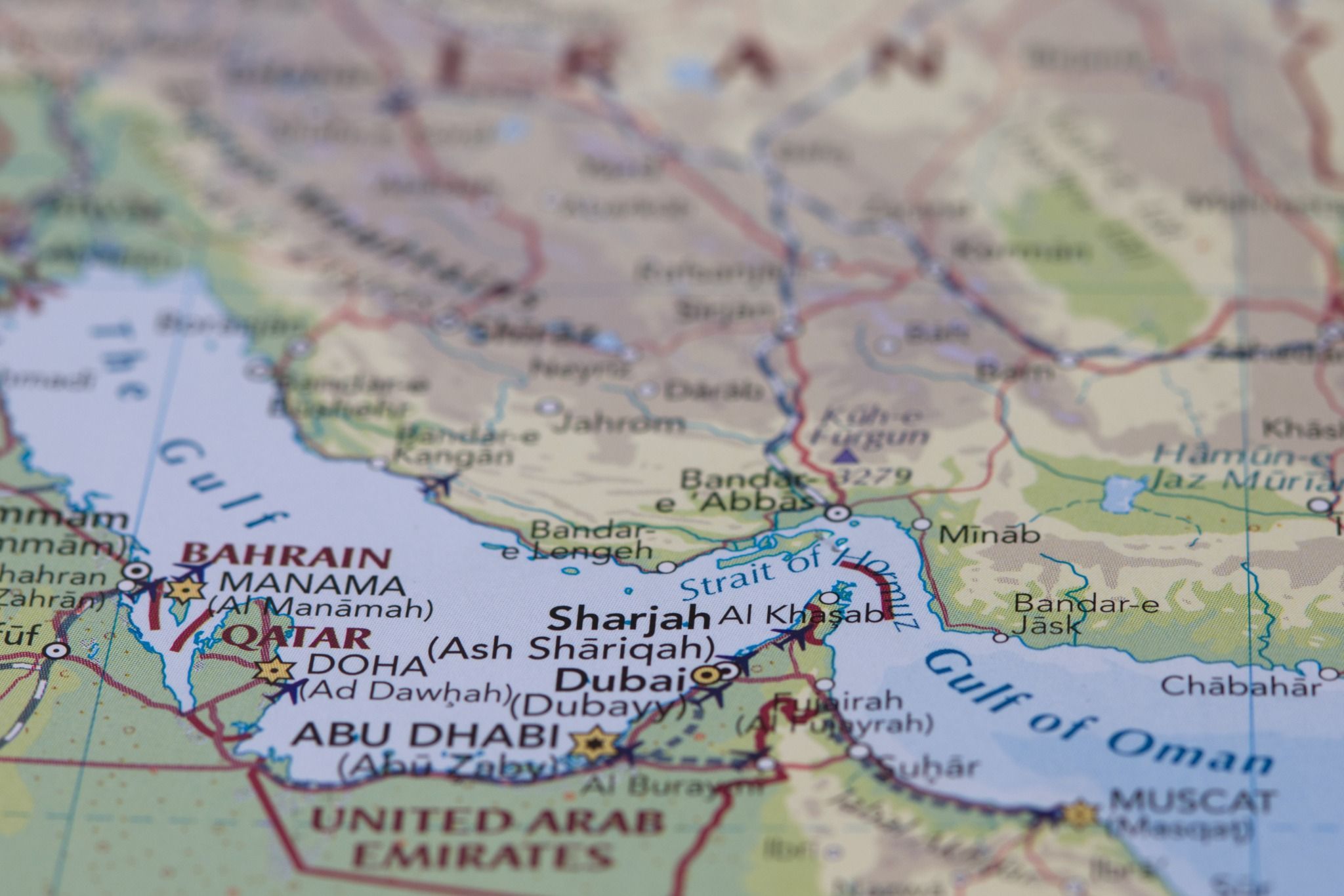
Ocean freight services have also been affected, with carriers taking precautionary measures in response to the evolving situation. In particular, movements through the Strait of Hormuz (one of the world’s most strategically important maritime passages) have been suspended by several lines due to vessel and crew safety considerations.
Any disruption in this corridor has immediate consequences for sailing schedules, vessel positioning, and equipment availability. Some carriers have announced temporary booking suspensions for cargo moving to or via parts of the Gulf, while others are reassessing service rotations and port calls
As a result, shippers may experience:
- Rolled or delayed sailings
- Rerouting via alternative hubs
- Longer lead times for Gulf-bound cargo
- Increased congestion at unaffected ports
Road Freight and Inland Transport
Road freight services within and adjacent to the region are currently continuing, though conditions remain fluid. Border crossings may be subject to intermittent congestion, enhanced security procedures, and customs delays, particularly where volumes are displaced from air or sea services.
Transit times may therefore be less predictable, and contingency routing may be required as circumstances evolve.
Warehousing and Contract Logistics
Warehousing and contract logistics facilities across the Gulf region remain operational, with business continuity measures in place. That said, irregular inbound and outbound flows may occur as transport networks adjust. Businesses with time-critical or high-value cargo should review inventory strategies and consider additional buffer stock where appropriate.
What Shippers Should Do Now
Given the dynamic nature of the situation, proactive planning is essential. Powercargo recommends that customers:
- Build additional lead time into supply chain planning
- Engage early on upcoming shipments to assess routing options
- Prepare for potential rate fluctuations and surcharges
- Consider alternative gateways or transport modes where feasible
Our teams remain in close contact with carriers, airlines, and overseas partners and will continue to provide shipment-specific guidance as conditions change.
Powercargo’s Ongoing Commitment
The safety of cargo, partners, and personnel remains a priority. Powercargo will continue to closely monitor developments in the Gulf and communicate material impacts as they arise. Customers with cargo moving to, from, or through the region are encouraged to contact their Powercargo representative to discuss tailored solutions and contingency options.
We extend our best wishes for the safety and wellbeing of all our customers, partners, and counterparts across the region.